India’s healthy snacking market is witnessing a shift as consumers rethink what they eat between meals. A quick snack during office hours, something nutritious for children after school or a convenient bite while travelling is no longer just about satisfying hunger. Increasingly, people want food that tastes good, fits their busy schedules and offers better nutritional value. This changing relationship with everyday food is creating new opportunities for India’s packaged food industry, particularly for startups, small manufacturers and emerging consumer brands.
For years, India’s snack market was largely driven by familiar favourites such as namkeen, biscuits, chips and fried savouries. These products continue to have a strong place in Indian households. However, changing lifestyles and greater awareness of food ingredients are encouraging consumers to explore alternatives that fit their evolving eating habits.
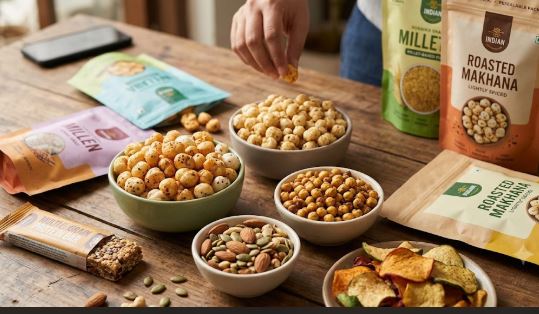
Roasted makhana, millet-based snacks, nuts, seeds, protein-rich bars, baked snacks and dried fruits are finding space in shopping baskets. What makes this shift interesting is that consumers are not necessarily abandoning traditional flavours. They are looking for familiar tastes in formats that offer greater convenience and a different nutritional profile.
From Occasional Treats to Everyday Nutrition
The idea of snacking is changing. Earlier, packaged snacks were often associated with leisure, travel or occasional hunger. Today, they have become part of everyday routines.
Office employees need something quick between meetings, students look for easy-to-carry food during college hours, and families want convenient options for busy days. At the same time, growing interest in fitness and balanced diets is influencing purchasing decisions.
This has encouraged food companies to look beyond conventional snack categories. Products featuring protein, fibre, whole grains and natural ingredients are receiving greater attention.
For businesses, the opportunity is not simply to introduce another healthy product. It is to understand what customers actually want: food that is affordable, enjoyable, easy to consume and suitable for regular use.
Traditional Indian Ingredients Find a New Market
One interesting development in India’s healthy snacking market is the renewed interest in traditional ingredients.
Makhana, millets, roasted chickpeas, peanuts and locally sourced seeds have long been part of Indian food habits. Their growing presence in modern packaged snacks reflects how businesses are finding new ways to present familiar ingredients to contemporary consumers.
Makhana, for instance, is increasingly available in flavoured and ready-to-eat packs. Millet-based snacks are also gaining attention as manufacturers experiment with crackers, puffs and savoury mixes.
This trend creates opportunities for businesses to connect traditional food production with modern retail. Small manufacturers can explore regional ingredients, develop distinctive flavours and introduce products that appeal to customers looking for alternatives to conventional packaged snacks.
It also creates potential opportunities for farmers, processors and local suppliers through increased demand for agricultural ingredients.
Convenience Is Driving the Next Phase of Growth
Convenience has become an important part of food purchasing decisions. Consumers increasingly prefer snacks that require no preparation, are easy to carry and remain fresh during storage.
Single-serving packs, resealable pouches, ready-to-eat products and snack boxes are helping brands respond to these needs. Packaging is no longer just about appearance; it influences portability, product freshness, portion control and customer experience.
The expansion of online grocery shopping and quick-commerce services is adding another dimension to this market. Customers can now order snacks for home, office or travel without depending entirely on supermarkets and neighbourhood stores.
For emerging brands, digital platforms offer an opportunity to reach customers beyond their immediate geographical markets. However, success depends on more than online visibility. Product quality, pricing, packaging and reliable availability remain essential for building repeat sales.
A Promising Opportunity for Startups and Small Businesses
The growth of healthy snacking is opening up several business possibilities across India’s food sector.
Unlike industries that require entirely new consumer habits, this segment builds on something people already do every day: snack. Businesses can therefore focus on improving existing food choices through better ingredients, product innovation and convenient packaging.
Small manufacturers can begin with specialised categories such as roasted snacks, millet-based products, nut mixes or traditional savouries with alternative preparation methods. Entrepreneurs can also explore private-label manufacturing, online retail and customised snack boxes for offices and institutions.
Regional food businesses have an additional advantage. India’s diverse food culture offers a wide range of ingredients and flavours that can be developed into packaged products for wider markets.
However, entering the market requires careful planning. Food safety, shelf life, sourcing, manufacturing costs and distribution can significantly influence profitability. Smaller businesses must also identify a clear customer segment rather than attempting to compete with established brands across every product category.
The Price Challenge: Can Healthy Snacks Become Affordable?
Despite growing consumer interest, price remains one of the biggest challenges for healthy snack manufacturers.
Premium ingredients, specialised processing and attractive packaging can increase production expenses. As a result, some products are priced considerably higher than conventional snacks.
This creates a gap between consumer interest and actual purchasing behaviour. People may be willing to try healthier alternatives, but regular purchases depend on whether the products fit their household budgets.
Businesses that can manage production costs and offer smaller, affordable packs may have an advantage in reaching a wider audience. Providing different pack sizes and maintaining consistent quality can also encourage customers to move from occasional purchases to regular consumption.
Affordability will be particularly important if healthy snacks are to move beyond urban, higher-income consumers and reach smaller cities and everyday retail markets.
Trust and Transparency Will Decide Which Brands Succeed
As the number of products increases, consumers are becoming more selective about what they buy. Attractive packaging and health-related claims may encourage an initial purchase, but repeat business depends on the actual product experience.
Customers want to understand what goes into their food. Clear ingredient lists, accurate nutritional information, appropriate food safety standards and honest product claims can help brands establish credibility.
Manufacturers also need to ensure that their products deliver what their packaging promises. Overstating nutritional benefits or using misleading health claims can damage consumer confidence.
For emerging businesses, transparency can become an important competitive advantage. A brand that communicates honestly and maintains consistent quality has a better chance of building lasting relationships with customers.
The Road Ahead for India’s Food Businesses
India’s healthy snacking market represents a wider change in the country’s food consumption patterns. The demand is being shaped by busy lifestyles, changing food preferences and the desire to make more informed everyday choices.
For the business sector, the opportunity extends beyond launching new snack products. It includes investment in food processing, agricultural sourcing, packaging, retail distribution and product development.
The next phase of growth will depend on how effectively companies balance nutrition, taste, convenience and affordability. Large manufacturers may benefit from their distribution networks, while smaller brands can compete through regional flavours, specialised products and closer customer relationships.
Ultimately, consumers are unlikely to choose a snack simply because it is labelled healthy. They will return to products that taste good, offer value for money and fit naturally into their daily lives. Businesses that understand this simple reality could find some of the most promising opportunities in India’s changing food market.